

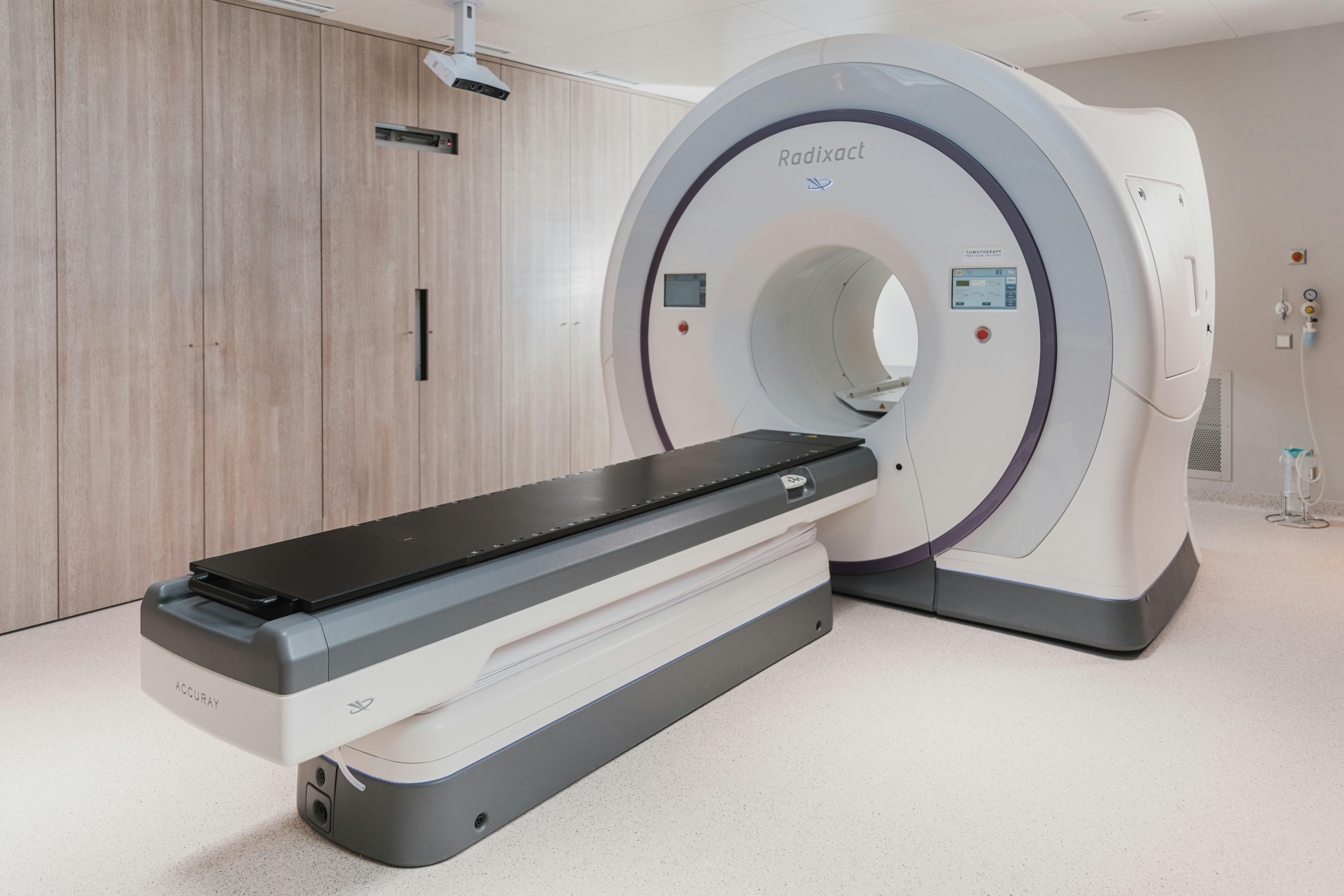
What is CT Scan?
Computed tomography (CT) scan, also known as CT scan, is an advanced diagnostic imaging method that allows the internal organs and tissues of the human body to be seen in amazing detail. This procedure uses special sensors, which pass in a circle around the patient, recording many X-rays from different angles. A computer then processes this information to create three-dimensional images that depict the internal structures.
Essentially, CT combines X-ray technology with computer processing, providing more detailed images than traditional X-rays. The procedure is quick and, in many cases, does not require anesthesia, making the examination affordable and effective for a variety of diagnoses. It is often indicated for the evaluation of the head, chest, abdomen, and other organ systems.
CT scans also differ from other forms of imaging, such as magnetic resonance imaging (MRI). While MRI uses magnetic fields and radio waves to take images of tissues, CT scans rely on X-rays. This results in the various indications and limitations that these diagnostic methods can have. Overall, CT scans are a reliable option for diagnosing many medical conditions, providing a valuable picture of a patient's anatomy.
What are the Applications of Computed Tomography?
Computed tomography (CT) has been tested and proven to be a valuable tool in the diagnosis and monitoring of various medical conditions. Its applications extend across many fields of medicine, covering a wide range of disorders and treatments.
One of the main areas of application of CT is the diagnosis of tumors. The ability of CT to provide detailed images of structures and organs allows doctors to locate and evaluate cancerous tumors, diagnose their size, and determine their spread. This type of imaging is often crucial in developing treatment plans, such as removing or sending the patient for radiation therapy.
Additionally, CT scans are extremely useful in assessing injuries. In cases of accidents or sports injuries, doctors can use CT to visualize internal injuries, such as fractures, hematomas, or damage to vital organs. This procedure allows for a quick and accurate diagnosis, facilitating immediate treatment.
Monitoring chronic conditions is another important application of CT scanning. For patients diagnosed with chronic conditions, such as chronic obstructive pulmonary disease or pneumonia, regular CT scans can monitor the progress or worsening of the condition. This monitoring gives doctors valuable information about the effectiveness of treatment.
Finally, CT scanning can be particularly useful in situations that require rapid medical intervention, such as the detection of cerebrovascular events and the evaluation of cardiac conditions. These applications make CT scanning an irreplaceable tool in the modern medical field.
The Safety of CT Scans
Computed tomography (CT) is one of the most popular diagnostic tests, but the safety of the procedure is a deciding factor for many patients. The biggest concern is related to radiation exposure, which can create fears about the risks. Evaluating these risks is essential to understanding how the benefits of the test usually outweigh the potential effects.
CT scans use X-ray-type radiation to create images of internal organs and tissues. Each scan involves a certain amount of radiation, which varies depending on the area of the body being scanned and the duration of the procedure. Experts emphasize that the radiation dose a patient receives during a CT scan is generally less than the daily natural radiation intake that humans experience from the environment.
To minimize risks, doctors follow specific protocols that include selecting the appropriate examination and adjusting CT parameters according to the patient's needs. Modern CT machines also feature technology that reduces the required radiation dose, ensuring that the images produced remain of high quality, while risks are limited. Balancing benefits and risks is critical for sound decision-making, because we should not overlook the importance of correct diagnosis and timely intervention in healthcare.
Conclusions and Future Trends
Computed tomography (CT) is an indispensable tool in modern medicine, providing valuable information for the diagnosis and monitoring of various diseases. Since its initial introduction, CT technology has evolved rapidly, making it one of the most effective imaging methods. The accuracy and speed of CT have revolutionized the landscape of diagnostic medicine, allowing doctors to identify diseases in a timely manner and formulate appropriate treatment strategies.
The importance of CT scanning continues to expand, as recent advances in technology have led to reduced radiation doses without sacrificing image quality. Newer developments also include the use of artificial intelligence and machine learning algorithms, which are able to speed up the image analysis process and increase the accuracy of diagnoses. These innovations suggest a positive outlook for CT scanning, as doctors can rely on data that is provided faster and with greater accuracy.
In the future, further developments in the field of CT are expected, including new techniques aimed at better imaging of small or difficult areas of the body, as well as the development of portable devices that will allow necessary imaging in more remote environments. Today's research suggests that the capabilities of CT will continue to evolve, improving the diagnosis and treatment of many medical conditions.