
Introduction to the Biopathology and Microbiology Laboratory
Biopathology and microbiology laboratories are an integral part of modern medical diagnosis and assessment of individual health. These laboratories play a fundamental role in the identification and classification of diseases through the scientific analysis of biological samples, such as blood, urine and other biological tissues. Accurate and rapid diagnosis is crucial for timely intervention and treatment, which makes microbiology laboratories essential in the healthcare sector.
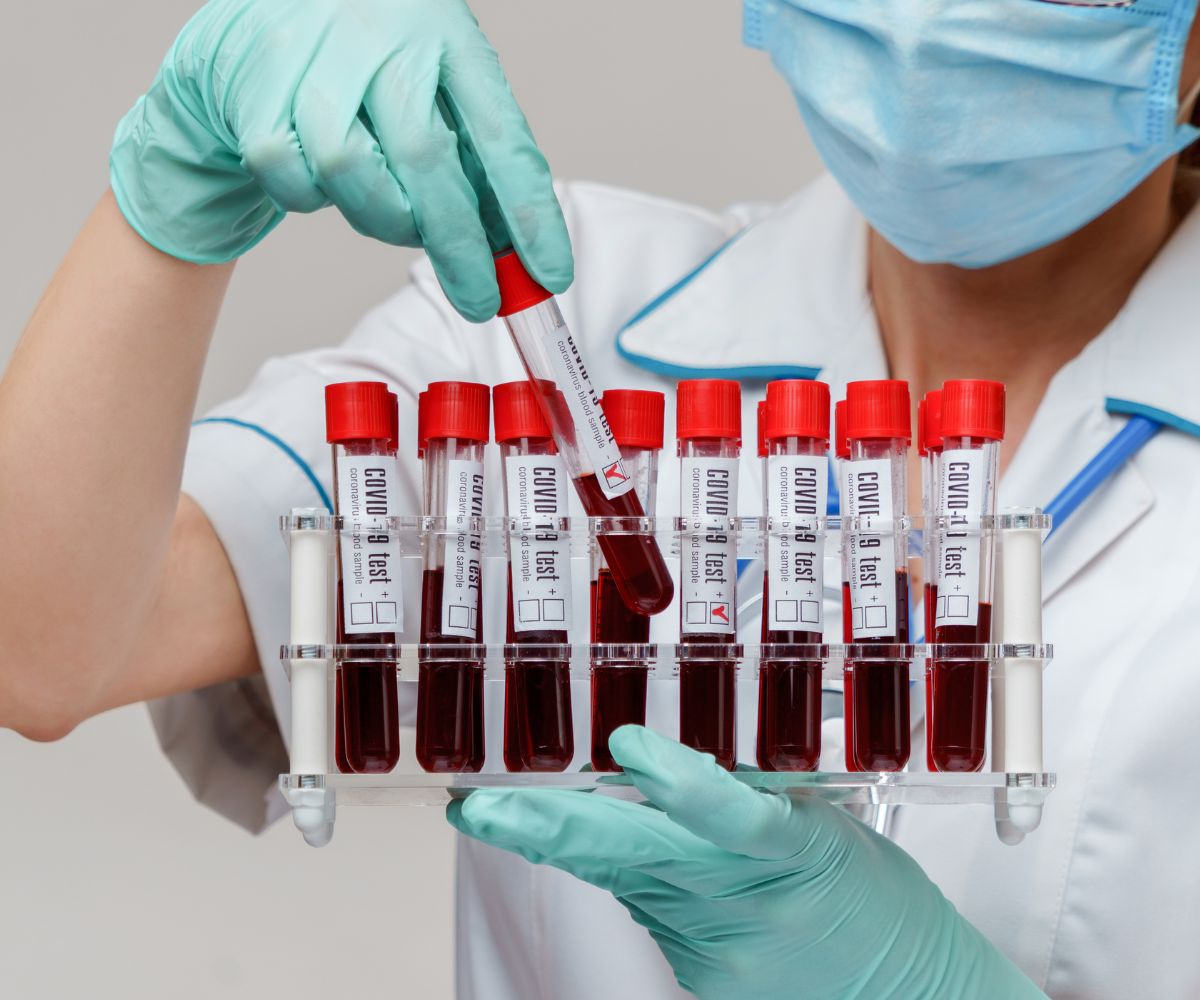
The procedure followed in biopathology laboratories begins with the collection of the sample, which is carried out by specialized personnel. The sample is then subjected to a series of analyses that determine the presence of specific pathogens or biochemical abnormalities. This process includes hematological tests, cultures, analysis of biochemical parameters and other specialized tests.
The role of scientists and technologists working in biopathology and microbiology laboratories is crucial. These professionals are trained to recognize and interpret test results with great accuracy. Their collaboration with clinicians is fundamental to the diagnosis and understanding of clinical conditions, as their experience contributes to more complete monitoring and management of patients.
Diagnostic Tests and Services
In the biopathological and microbiological laboratories of the medical diagnostic centers of Zakynthos, Agrinio and Lefkada, the diagnostic services provide a variety of tests that help in the early diagnosis and prevention of diseases. These tests include hematological, biochemical analyses, microorganism cultures and molecular diagnostic methods.
Hematology tests are among the most common and include measurements of hematocrit, hemoglobin, white blood cells, and platelets. These measurements provide information about the general state of health and help detect anemia, infections, and other blood disorders.
Biochemical analyses, on the other hand, focus on measuring various chemicals in the blood, such as electrolytes, proteins, and enzyme activities. These tests help healthcare professionals evaluate the function of organs, such as the liver and kidneys, and detect conditions, such as diabetes and heart disease.
Microorganism culture is also an important process that allows the detection and identification of pathogenic microbes from samples such as blood, urine and other biological substances. These studies are crucial for the management of infectious diseases. Finally, molecular diagnostic methods, such as PCR, offer exceptional accuracy in capturing the genetic information of pathogens and play a key role in the diagnosis of complex medical conditions.
The selection of appropriate diagnostic tests is always based on the medical needs of patients and is consistent with modern healthcare practices, offering accurate results that enhance prevention and early intervention.
MEDICAL DIAGNOSTIC CENTERS OF ZANTE, AGRINIO AND LEFKADA
The medical diagnostic centers in Zakynthos, Agrinio and Lefkada offer important services in biopathology and microbiology, meeting the needs of the local communities. These centers are equipped with modern machines and technologies, which allow for accurate and timely diagnostic tests.
In Zakynthos, diagnostic centers provide a wide range of services, such as hematology, biochemistry and infections, thus covering the needs of patients. The staff is specialized and constantly receives training on the latest developments in the field of microbiology. Similar services are offered in Agrinio, where the centers have developed partnerships with hospitals, ensuring the best possible care for the public.
In Lefkada, the technology used in laboratories allows for the rapid detection of infections and other medical conditions. This has made these centers key players in local healthcare. Public and private investments have contributed to the upgrading of the services provided, which indicates positive prospects for improvement. In their effort, the centers are constantly investing in modern equipment and training programs for their staff, in order to provide high-quality services.
Conclusions and Future Prospects
The analysis of the role played by biopathological and microbiological laboratories in healthcare demonstrates their significant contribution to the early diagnosis and effective treatment of various diseases. Through the diagnostic services provided at the Medical Diagnostic Centers of Zakynthos, Agrinio and Lefkada, patients can access critical information related to their health. This approach not only allows for the accurate monitoring of health problems but also the prevention of complications.
Looking ahead, the continuous development of technology and new diagnostic methods are expected to further enhance the efficiency of laboratories. The adoption of innovative diagnostic tools and the application of advanced techniques in sample analysis will facilitate the discovery of diseases at an early stage, contributing to better healthcare. The use of data from advanced analytics and the digitization of processes is expected to significantly reduce waiting times for results and improve the patient experience.
To achieve these goals, diagnostic units should ensure the quality of their services through regular staff training, innovative practices and compliance with international standards. Participation in conferences and collaborations with other institutions can promote knowledge and modern practices in the field of biopathology and microbiology. Such initiatives will provide significant benefits to healthcare, improving the quality of services provided and ultimately the health of patients.